


Priya Gunasekaran
- 21 Apr, 2026
- 0 Comments
- 3 Mins Read
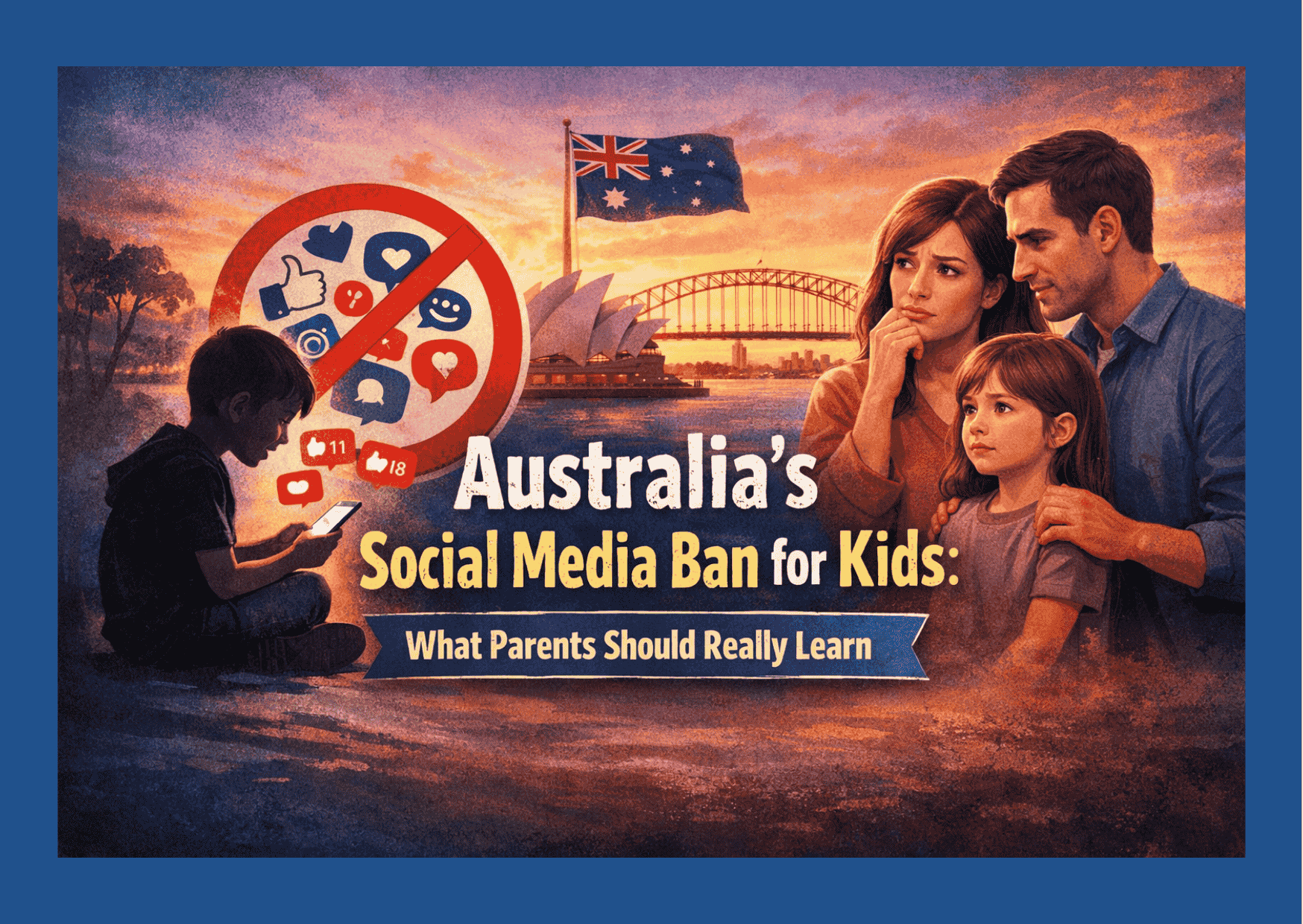
Australia’s Social Media Ban for Kids: What Parents Should Really Learn
In an age where childhood increasingly unfolds through screens, Australia has taken a bold step: proposing stricter regulations or even bans on social media access for children. While the headlines spark debate, the real question for parents isn’t just “Is this good or bad?” it’s “What does this mean for how we raise our kids in a digital world?”
Let’s move beyond the policy and focus on what truly matters.
Why Australia Is Taking Action
Australia’s push to limit kids’ access to social media isn’t happening in a vacuum. Rising concerns include:
– Increased anxiety, depression, and body image issues among teens
– Exposure to harmful or inappropriate content
– Addictive design features that keep kids hooked for hours
– Cyberbullying and online harassment
This isn’t about demonizing technology, it’s about recognizing that children’s brains are still developing, and the digital environment isn’t always built with their well-being in mind.
What Parents Should Really Take Away
1. Access Is Not the Same as Readiness
Just because a child can use social media doesn’t mean they’re ready for it.
Many platforms set age limits (often 13+), but emotional maturity varies widely. Parents should think less about age and more about:
– Can my child handle criticism or negative comments?
– Do they understand privacy and consequences?
– Are they emotionally resilient?
2. The Real Risk Isn’t Screen Time—It’s Screen Experience
Not all screen time is equal.
A child watching educational content is very different from one scrolling endlessly through curated, unrealistic lives. Social media often promotes:
– Comparison culture
– Dopamine-driven scrolling habits
– Unrealistic beauty and lifestyle standards
The issue isn’t just how long kids are online, it’s what they’re consuming and how it affects them.
3. Bans Don’t Replace Parenting
Even if governments restrict access, kids often find ways around rules.
Parental involvement remains essential:
– Talk openly about what they see online
– Encourage critical thinking (“Is this real or edited?”)
– Build trust so they come to you when something feels wrong
A ban can support—but never replace—guidance at home.
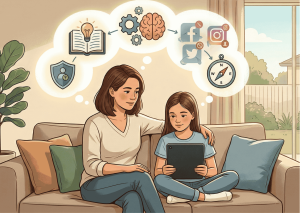
4. Digital Literacy Is the New Life Skill
Instead of only saying “no,” parents should also teach “how.”
Kids need to learn:
– How algorithms work (why they see certain content)
– How to identify misinformation
– How to protect their digital identity
Think of it like teaching them to cross the road—you don’t just ban roads; you teach them how to navigate safely.
5. Model Behavior Matters More Than Rules
Children watch what we do more than what we say.
If parents are constantly glued to their phones, the message is clear even without words. Healthy habits start with:
– Device-free family time
– Mindful usage
– Setting boundaries for yourself too
The Bigger Picture: Balance Over Extremes
Australia’s move highlights a global dilemma: how do we protect children without isolating them from a digital world they’ll inevitably be part of?
The answer likely isn’t a total ban or total freedom. It’s balance:
– Gradual exposure
– Age-appropriate boundaries
– Ongoing conversations
Final Thought
The conversation around social media bans isn’t really about apps, it’s about childhood.
It’s about protecting curiosity, confidence, and mental well-being in a world that’s changing faster than ever. Whether or not such bans become widespread, one truth remains:
The most powerful filter in a child’s digital life isn’t technology, it’s parenting.
If you’d like, I can tailor this blog for a specific audience (school parents, Indian context, LinkedIn post, etc.) or make it more opinionated or data-driven.

Priya Gunasekaran
Priya, a mother of two, understands the value of a strong foundation in Computer Science from an early age. With a keen interest in technology and a passion for researching parenting techniques, she believes that the most effective way for children to retain knowledge is by making learning fun and engaging. Priya, on the other hand, works as a Content Writer at Eduseed, contributing to educational content that supports these goals.