If you have an overactive child at home, you already know this — they are not “naughty.” They are energetic, curious, and constantly seeking stimulation. The key is not stopping their energy… but channeling it in the right direction.
Instead of saying “Sit still!” ten times a day, let’s look at activities that help them move, think, focus, and regulate themselves — in a healthy way.
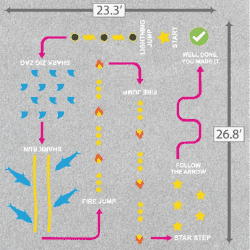
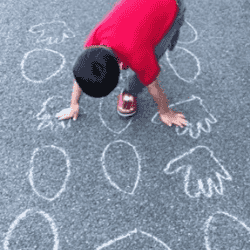
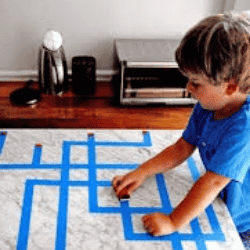
1️⃣ Track Games – Following path
Activities:
Create a path using tape, chalk, cushions, or ropes. Ask your child to:
Walk only on the line
Hop on one foot
Crawl through pillows
Balance while holding an object
Why it works:
Improves body control
Develops balance and coordination
Builds focus and self-regulation
Trains them to follow instructions
Overactive kids often struggle with body awareness. These activities strengthen the brain-body connection.
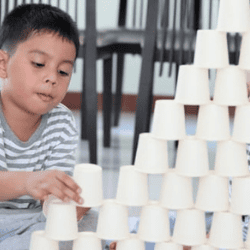
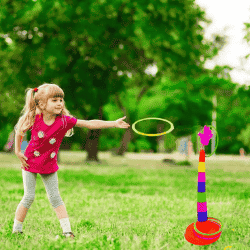
2️⃣ Target Games – Aim & Build
Activities:
Arrange paper cups into towers
Throw soft balls to knock them down
Stack within a time limit
Try ring toss or bean bag toss
Why it works:
Builds concentration
Improves hand-eye coordination
Teaches patience
Encourages planning and strategy
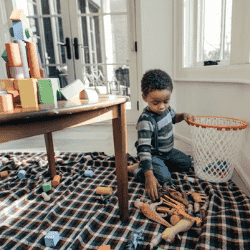
Target-based games reduce impulsiveness because children must aim carefully.
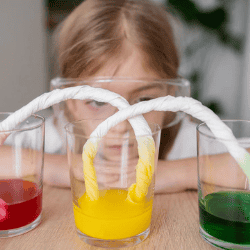
3️⃣ Experimental Play – Safe “Wow” Science
Activities:
Baking soda + vinegar volcano
Color mixing experiments
Floating and sinking test
Balloon inflation with reactions
Why it works:
Channels curiosity
Encourages observation
Builds patience
Strengthens problem-solving skills
Overactive children love stimulation. Science experiments give them structured excitement instead of random chaos.
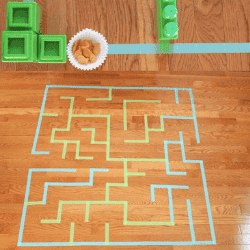
4️⃣ Maze Games – Brain + Body Focus
Activities:
Paper mazes
Floor mazes made with tape
Outdoor chalk mazes
Time-bound maze challenges
Why it works:
Improves attention span
Builds logical thinking
Reduces impulsive decision-making
Teaches planning before action
Maze solving trains the brain to slow down.
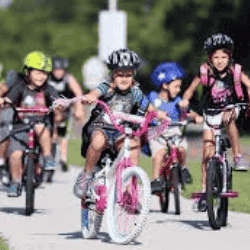
5️⃣ Sports & Outdoor Play
Activities:
Cycling
Football
Relay races
Skipping
Swimming
Why it works:
Burns excess energy
Improves mood
Supports better sleep
Builds discipline and teamwork
Physical movement is not optional for overactive kids — it’s essential.
6️⃣ Heavy Work Activities (Very Important!)
Activities:
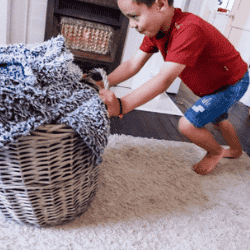
Pushing a laundry basket
Carrying books
Wall pushes
Bear walk, crab walk
Why it works:
Heavy work activities calm the nervous system. They provide deep pressure input, which helps children feel grounded and regulated.
This is extremely effective for hyperactive children.
7️⃣ Timed Challenges
Activities:
Clean up in 2 minutes
Build tallest tower in 3 minutes
Sort toys before timer ends
Why it works:
Improves task completion
Teaches time awareness
Adds excitement with structure
Short timed tasks work better than long instructions.
8️⃣ Treasure Hunt
Activities:
Hide clues around the house with small tasks:
“Hop 5 times before opening next clue”
“Solve this simple riddle”
Why it works:
Combines movement + thinking
Improves listening skills
Keeps them engaged for longer time
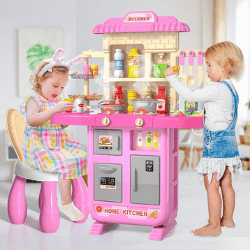
9️⃣ Role Play & Pretend Play
Activities:
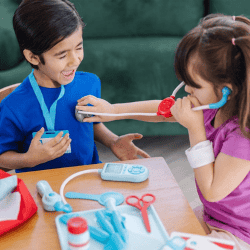
Doctor game
Restaurant setup
Superhero rescue mission
Classroom role play
Why it works:
Develops emotional regulation
Improves social skills
Strengthens imagination
Builds communication ability
Overactive children often have rich imagination — use it!
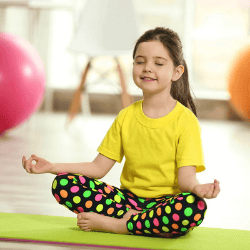
1️⃣0️⃣ Calm-Down Movement Games
Activities:
Balloon breathing
Yoga animal poses
Slow-motion walking race
Freeze dance
Why it works:
These teach self-control. Children learn how to “slow their body down.”
Important Tips for Parents
✔ Do not remove movement — structure it. ✔ Give clear, short instructions. ✔ Appreciate effort, not perfection. ✔ Maintain routine. ✔ Avoid too much screen stimulation.
Remember – your child’s energy is not a problem. It is potential.
When guided properly, overactive children often grow into:
Creative thinkers
Energetic leaders
Strong problem solvers
Your role is not to suppress their energy – but to shape it.